What is the PeelPro Vegetable Peeler?
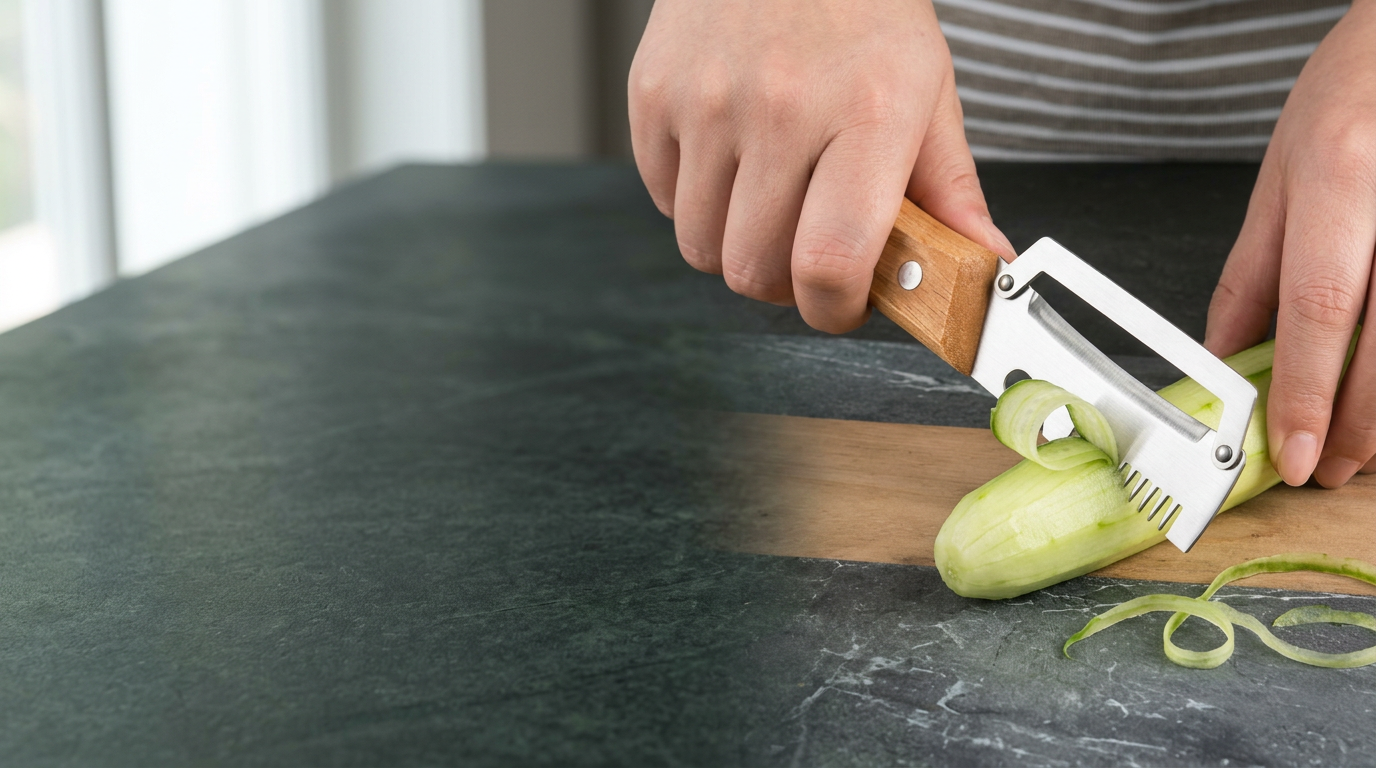
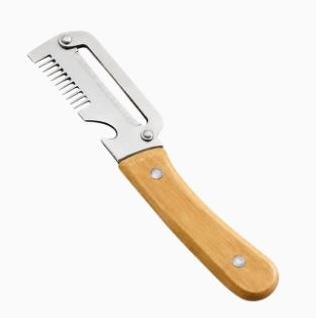
The PeelPro Vegetable Peeler is presented as a three-in-one kitchen tool that combines a peeling blade, julienne teeth, and a bottle opener in a single wooden-handled design. The supplied product photographs show a broad metal head attached to a shaped handle with visible rivets. Rather than treating it as a replacement for every kitchen utensil, it makes more sense to consider it a compact option for several familiar preparation tasks: removing vegetable skins, making fine strips, and opening suitable capped bottles.
A vegetable peeler is one of those everyday tools whose usefulness depends more on handling than on a long feature list. The way the blade meets the food, the stability of the grip, and the effort needed to repeat a stroke all affect the experience. PeelPro’s pictured combination of a wide head and wooden handle offers a distinctive alternative to a small plastic peeler. Whether that shape suits you is a personal question, especially if you already have a preferred peeling style.
This guide explains the design shown in the supplied materials, practical preparation methods, and the questions worth asking before buying. It is an informational overview, not a laboratory test or a verified customer review. Product dimensions, steel specifications, current prices, delivery arrangements, and return eligibility should be checked on the seller’s current listing. Photographs are useful for understanding the layout, but they cannot establish durability, cutting performance, or how comfortable a tool will feel in your hand.
A closer look at the three-in-one design
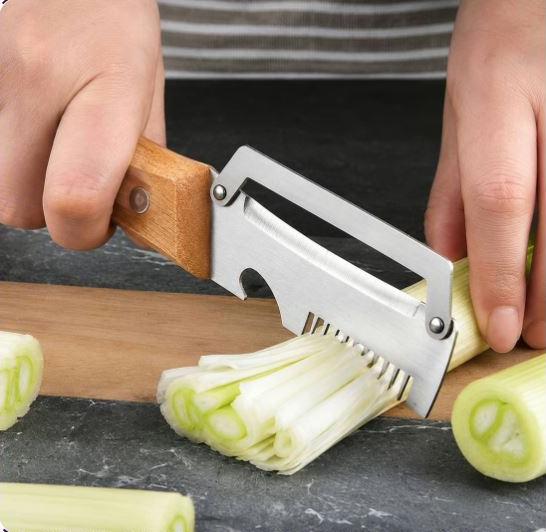
The main peeling edge sits inside the metal head, while a row of teeth runs along one side. The promotional materials describe a curved blade and a swiveling head, features intended to follow the changing surface of a vegetable. In practice, good contact comes from a combination of the tool’s geometry and your technique. A light, controlled stroke is generally a better starting point than pressing hard. If the head does not move freely or the cut feels uneven, pause and inspect the tool.
The wooden handle is another visible part of the design. A shaped handle can give your fingers a more substantial surface to hold, but wood is not automatically slip-proof. Water, vegetable juice, or oil can affect any grip. Keep your hands and the handle clean, and stop if the tool begins to move unpredictably. People with limited hand strength or joint discomfort should judge the weight, handle thickness, and required motion for themselves rather than relying on broad comfort claims.
The integrated bottle-opening feature adds a separate use without another full-size utensil. Check the merchant’s instructions to identify the correct opening point and the types of bottle caps it supports. Never use the exposed peeling edge as a substitute for an opener. The appeal of a multi-use tool is convenience, but each function still needs the right technique. A sensible purchase decision compares those practical uses with how often you actually peel vegetables, prepare strips, or open capped drinks.
How to get a clean, controlled peel
Start by washing your produce and checking for damaged areas. Use a stable cutting board with a non-slip base or a damp cloth underneath it. Large vegetables are easier to control when they have a flat resting surface, although cutting that surface requires a separate suitable knife. Keep the hand holding the food clear of the blade’s path. Begin on an accessible section rather than a awkward curve, and use a short test stroke to understand how the peeler engages.
For a carrot or cucumber, work in manageable sections and rotate the vegetable as you go. Aim for a thin, consistent layer instead of removing extra flesh in one heavy pass. Potatoes have more irregular surfaces, so shorter strokes may be easier around curves. Deep eyes, bruises, and damaged areas can require separate trimming. A peeler does not make every part of a vegetable suitable to eat, and the decision to keep or remove a skin depends on the recipe and condition of the produce.
If peel begins to collect around the blade, stop before clearing it. Set the tool down safely and follow the cleaning instructions; do not run a finger along the cutting edge or julienne teeth. Avoid using the peeler on frozen food or on hard rind unless the seller specifically says that task is supported. A successful stroke should feel controlled. When it does not, changing the food’s position or selecting a different tool is safer than simply adding more force.
Making vegetable strips and ribbons
Julienne preparation turns firm vegetables into narrow strips that can be used in salads, slaws, wraps, and simple side dishes. The teeth pictured on the PeelPro head are marketed for this purpose. Begin with washed, firm produce and a stable work surface. Try a small amount first so you can judge the strip size and the pressure needed. Keep your supporting hand away from the teeth. The final texture depends on the vegetable’s firmness, the tool’s condition, and how consistently you guide each pass.
Carrots and cucumbers are useful starting points for experimenting with presentation. Fine carrot strips can add crunch to a cabbage salad, while cucumber strips can sit alongside a dressing rather than becoming heavily coated. Very soft produce may tear instead of forming clean strands. As a vegetable gets smaller, do not chase the last few pieces close to your fingers. Save a safely handled remainder for another dish, or use a knife and a technique you can control comfortably.
Wider ribbons are a different result from fine julienne strips. A peeling edge can sometimes make broad vegetable ribbons, depending on its cutting action and the produce. Think of these as an alternative shape for salads or garnishes, not a promise of uniform noodles. Salt, acid, and dressing can soften thin vegetables quickly, so prepare them close to serving when crunch matters. Keeping the dressing separate until the last moment can make a simple ribbon salad feel fresher and less watery.
Where PeelPro fits into everyday cooking
A compact preparation tool earns its place through repeated, ordinary use. If you cook potatoes, carrots, cucumbers, or similar vegetables often, the peeling function may be the main reason to consider PeelPro. The julienne teeth provide another option when a recipe calls for thin strips, and the bottle opener may reduce the number of small tools you keep nearby. None of those features replaces a chef’s knife, a cutting board, or a specialist utensil when the task calls for one.
For a quieter meal-preparation routine, organize the work before starting: washed produce in one bowl, finished vegetables in another, and a separate container for scraps. That arrangement keeps the board clear and reduces repeated reaching across a sharp tool. Prepare vegetables with similar cutting requirements together, then clean the peeler before changing tasks. If you use the opening feature during cooking, check that the handle is dry and keep the cutting edge away from your body and other people.
Portion size matters, too. A hand peeler may be convenient for an everyday dinner, but large batches can still take time. Do not assume that a three-in-one design guarantees faster preparation for every cook. Someone making occasional salads may value the different cutting options, while another person may prefer a separate peeler with a lighter head. The best kitchen setup is the one that supports your actual habits, available storage, and ability to work comfortably and safely.
Cleaning and caring for a wooden-handled peeler
The combination of metal and wood deserves a careful cleaning routine. Unless the current manufacturer instructions explicitly permit dishwasher use, hand washing is the cautious choice. Wash the tool with mild detergent and water, keeping your fingers clear of every cutting surface. A suitable brush can help remove food caught around the teeth, but work away from the edge and handle the tool deliberately. Rinse away detergent and inspect the head for remaining scraps before drying.
Dry the metal head and wooden handle promptly. Avoid leaving a wooden-handled tool soaking in a sink, where prolonged moisture can affect the wood and its joints. Let it finish drying in a ventilated place rather than putting it straight into a damp, closed drawer. Do not apply oils, conditioners, or abrasive cleaners unless the manufacturer recommends them for this specific product. Care advice for a wooden chopping board is not automatically appropriate for every wooden kitchen handle.
Before the next use, check for a loose attachment, cracks in the handle, visible corrosion, or an edge that behaves differently than before. Stainless steel is generally chosen for corrosion resistance, but the term does not mean a tool can never develop marks or rust. Store the peeler where the blade will not scrape other utensils or surprise someone reaching into a drawer. If you notice damage or looseness, stop using it and ask the seller about replacement or support.
PeelPro versus a conventional vegetable peeler
A conventional peeler often prioritizes one job and a minimal shape. Some have a straight handle with the blade aligned along it; others have a crosswise head. PeelPro’s photographed design combines a broader head, a wooden grip, and additional functions. Those differences may appeal to someone who likes a substantial handle or wants to experiment with vegetable strips. They are design distinctions rather than proof that one tool is universally sharper, more ergonomic, or more effective.
Compare tools against the tasks you perform most often. Consider how easily you can control the blade, whether the handle fits your hand, and how the head moves around curved produce. Storage and cleaning are practical factors as well: a broad, toothed head has different spaces to rinse than a simple peeling blade. If your kitchen already has a reliable julienne tool and bottle opener, the extra functions may add less value than they would for someone setting up a small kitchen.
Price alone is not a complete comparison, particularly when promotions use a large percentage discount. Look at the actual total, quantity included, delivery charges, and return conditions. Avoid comparing a seller’s crossed-out price with another tool’s normal price without context. If independent reviews are available, look for specific observations about real use and cleaning rather than only star ratings. A useful review describes both strengths and limitations, identifies the product clearly, and explains how the reviewer used it.
What to check before buying PeelPro
Before ordering the PeelPro Vegetable Peeler, review the linked seller’s current product details. Confirm what comes in the package, the available quantity options, the total payable amount, and whether delivery is offered to your location. Product photographs can help identify the design, but the listing should answer practical questions about size, materials, cleaning, and supported uses. If a detail matters to your decision and is not clearly stated, contact the merchant rather than assuming it from a promotional image.
The supplied artwork includes discount, review-count, shipping, and money-back messages. Those are seller-facing promotional claims, not independent findings of this guide. Offers can change, and a return promise may depend on deadlines, item condition, shipping costs, or other terms. Read the current policy before payment and keep a copy of your order confirmation. This website does not process your payment or manage delivery; purchase buttons take you to the external product page supplied for PeelPro.
Finally, buy for the cooking you do, not only for the cooking a promotional picture suggests. A peeling blade, julienne teeth, and integrated opener can be a useful combination when those functions fit your routine. Careful handling, suitable produce, and prompt cleaning remain important with any sharp kitchen tool. If the design looks appropriate, compare the current offer and make an informed choice. If the grip, maintenance requirements, or return terms are uncertain, take time to resolve those questions first.